
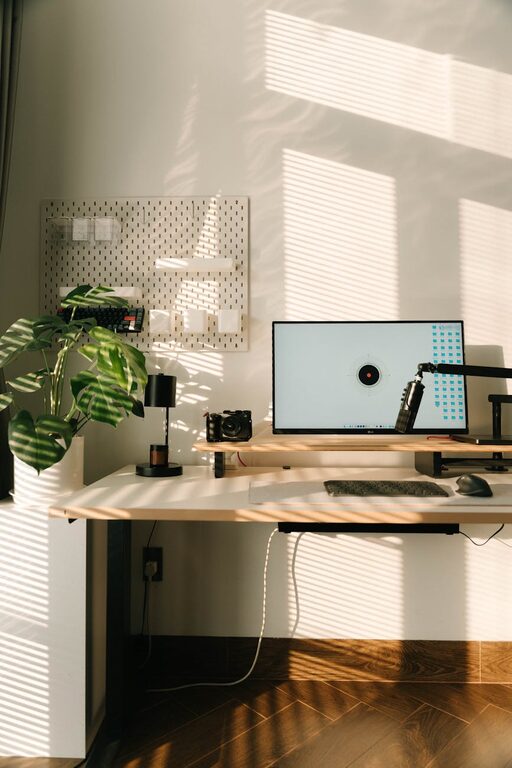
Tips for Creating a Relaxing Home Workspace to Boost Productivity
Creating a home workspace that feels both relaxing and productive is essential for anyone working remotely or spending significant time at home managing tasks. A well-designed workspace can improve focus, reduce stress, and ultimately boost your efficiency. Below, we explore practical tips and ideas to help you build a calming home office environment.
Why a Relaxing Workspace Matters
When your workspace is cluttered, noisy, or uncomfortable, it can be difficult to concentrate. On the other hand, a soothing environment encourages creativity, focus, and a positive mindset. A relaxing workspace isn’t just about aesthetics; it’s about creating a setting that supports your mental and physical well-being.
Choose the Right Location
Find Natural Light
Aim to set up your workspace near a window to take advantage of natural sunlight. Natural light helps regulate your sleep-wake cycle and can elevate your mood.
Minimize Distractions
Pick a quiet corner or room where you’re less likely to be disturbed. If possible, avoid high-traffic areas in your home to maintain concentration.
Invest in Comfortable and Functional Furniture
Ergonomic Chair
A supportive chair is crucial. It helps prevent back pain and encourages good posture.
Adjustable Desk
If possible, choose a desk with adjustable height, so you can switch between sitting and standing during the day.
Declutter Your Desk
Keep only essential items on your desk to avoid distractions and maintain a clean, organized feel.
Incorporate Soothing Colors and Decor
Choose Calming Colors
Soft hues like light blues, greens, or neutrals can create a tranquil atmosphere.
Add Personal Touches
Incorporate plants, photos, or art pieces that make you feel calm and inspired.
Use Functional Decor
Items such as a desk lamp with adjustable lighting and noise-canceling headphones can improve comfort and focus.
Organize with Purpose
Storage Solutions
Use shelves, bins, or drawer organizers to keep supplies neat and accessible.
Cable Management
Reduce visual clutter by bundling cables and hiding power strips.
Manage Noise Levels
White Noise or Soft Music
If silence is distracting, play gentle background music or white noise to block out disruptions.
Soundproofing
Consider using rugs, curtains, or acoustic panels to absorb sound.
Establish a Routine and Boundaries
Set Work Hours
Define clear start and end times to help maintain a balance between work and personal time.
Take Breaks
Regular short breaks refresh your mind. Use this time to stretch, hydrate, or step outside briefly.
Prioritize Air Quality and Temperature
Ventilation
Open windows when possible or use an air purifier to keep the air fresh.
Maintain Comfortable Temperature
Adjust heating or cooling to suit your comfort, as being too hot or cold can distract you.
Use Technology Wisely
Essential Devices
Ensure your computer, monitor, and other devices meet your work needs without overcrowding your workspace.
Software for Focus
Consider apps that block distractions or help with time management.
Final Thoughts
Creating a relaxing home workspace is about balancing comfort and efficiency. By thoughtfully choosing your location, furniture, colors, and organizational tools, you can build a space that not only looks inviting but also supports your productivity and well-being. Experiment with different ideas to find what works best for you, and don’t hesitate to adjust your space as your needs change.
